Pelvic Health: What You Need To Know

Pelvic Health: What You Need To Know

We’re passionate about helping women build strength and optimise their health holistically, not just through strength-based training and nutrition coaching but also by collaborating with experts in health and wellness, like Pelvic Strength Physio (in Croydon).

This is the second in our series of health and wellness seminars, run by Alex, a Pelvic Physio.

This workshop was all about pelvic health and its value to our long term health.

The webinar is at the bottom of this post, otherwise grab a tea/coffee, and let’s learn about pelvic health…

What is Pelvic Health?

‘Pelvic health’ is the well-being of the muscles, organs, and tissues within the pelvic region.

It encompasses the proper functioning and balance of the pelvic floor muscles, bladder, bowel, and reproductive organs, as well as the surrounding ligaments and nerves. Good pelvic health ensures that these systems function correctly, helping with bladder and bowel control, sexual function, pregnancy, childbirth, and overall core stability.

When pelvic health is compromised, it can lead to a range of issues such as pelvic pain, incontinence, prolapse (when pelvic organs drop from their normal position), or sexual dysfunction. Maintaining pelvic health is important for both men and women and can be supported through exercises like pelvic floor strengthening, proper posture, and addressing any underlying conditions like hormonal changes, surgery recovery, or injury.

We want our pelvic floor muscles to have:

  • Strength/power
  • Coordination
  • Endurance
  • Good full relaxation
  • And withstand forces such as: exercise, a full bladder, carrying a baby, coughing/sneezing, and be free from pain.

They play a crucial role in supporting these organs, controlling the release of urine and faeces, and aiding in sexual function. In males, they help support the bladder and bowel, while in females, they also support the vagina and uterus.

Pelvic health is so crucial to our mobility and function as we age, and it’s often overlooked. Throughout our lives, women often pay more consideration to their pelvic floor around pregnancy. Before pregnancy, during, and after, but pelvic health is essential throughout our lives.

What Is a Pelvic Floor Physiotherapist?

You might be curious about pelvic floor physios and what they do. A pelvic floor physiotherapist assesses and treats conditions related to the pelvic floor muscles. They help manage issues such as pelvic pain, incontinence, prolapse, and postpartum recovery.

In short – pelvic physios manage anything related to the pelvis (on the inside). If you have pain on the outside of your pelvis, like hip and back pain, that it on the outside, and may not be applicable. However, sometimes pelvic floor dysfunction can affect your hips and back, so if you have inexplicable pain in those areas, it’s worth having your pelvic floor assessed.

So, when do you need a pelvic floor phsyio?

When should you see a pelvic floor physio?

You may need a pelvic floor physio for any concerns regarding:

  • Bowel dysfunction
  • Incontinence
  • Abdonimanl pain
  • Overwhelming urge to urinate
  • Bladder surgery
  • Vaginal health
  • Pregnancy/Postnatal
  • Sexual dysfunction/pain with sex
  • Women who experience leaking with exercise/Weight training
  • Pelvic pain
  • Endometriosis
  • Urinating more than once overnight
  • Urinating more than once every 3 hours during the day

Happy mum dancing

How is a Pelvic Exam Done?

There can be unfounded concerns behind a pelvic example, and we want to put those concerns to rest.

It is through an internal vaginal examination. To quote Alex, “We look after you. We don’t care what your vagina looks like! We don’t use a speculum, like a smear test. We are gentle, and if you’ve mentioned pain in the area, we will be very careful. We’re gentle, sterile, methodical.”

They can also do ultrasounds as an alternative.

Pelvic physios have seen it all, so don’t worry about what you’ve got. All vaginas are welcome.

In a more technical breakdown:

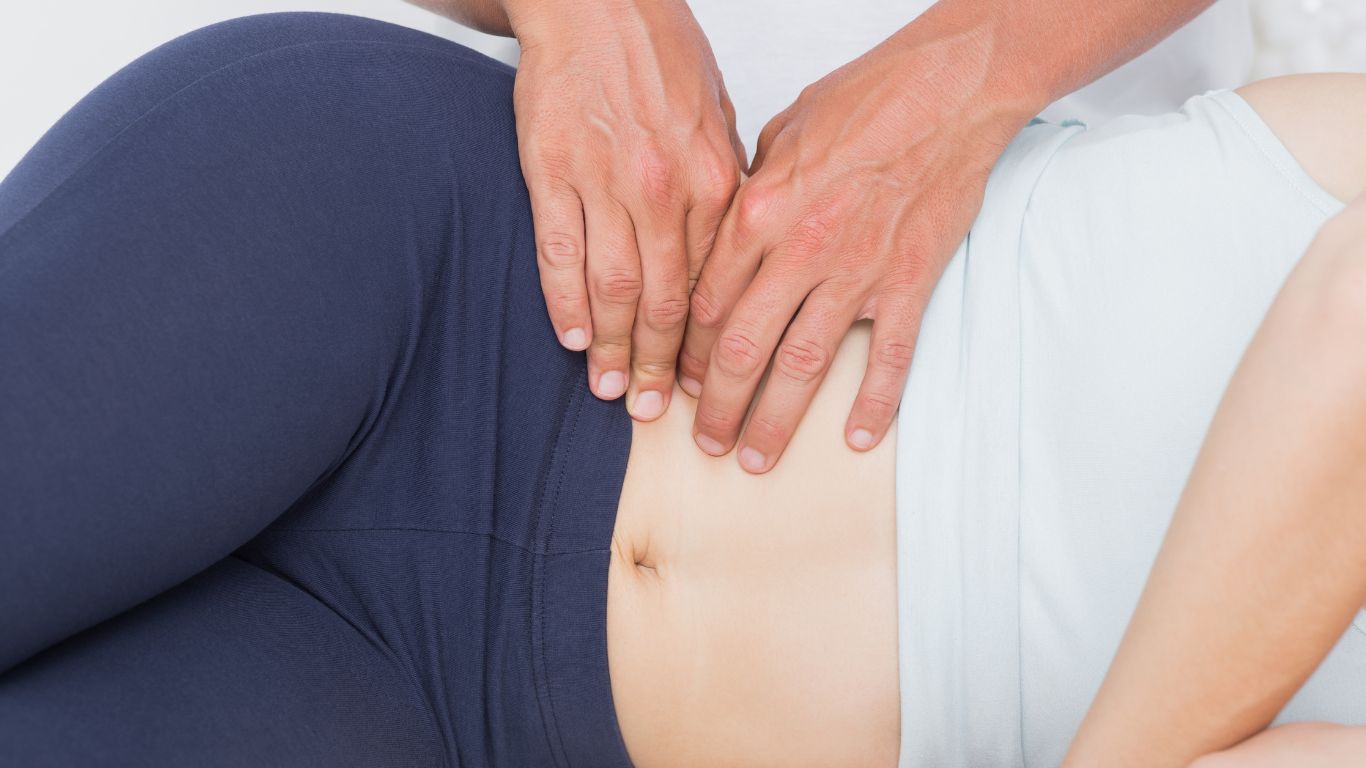
A pelvic exam by a pelvic physiotherapist focuses on assessing the pelvic floor muscles. It starts with a discussion of symptoms and medical history, followed by an external examination to check posture, pelvic alignment, and muscle tension.

An internal exam evaluates the pelvic floor muscles’ strength, tone, and coordination.

The goal is to create a tailored treatment plan to improve your pelvic health, using exercises or manual therapy as needed.

Where is my pelvic floor muscle?

The pelvic floor muscles are located at the base of the pelvis.

They stretch across the pelvic area like a supportive hammock, spanning from the pubic bone at the front to the tailbone (coccyx) at the back.

These muscles are positioned underneath the bladder, bowel, and uterus.
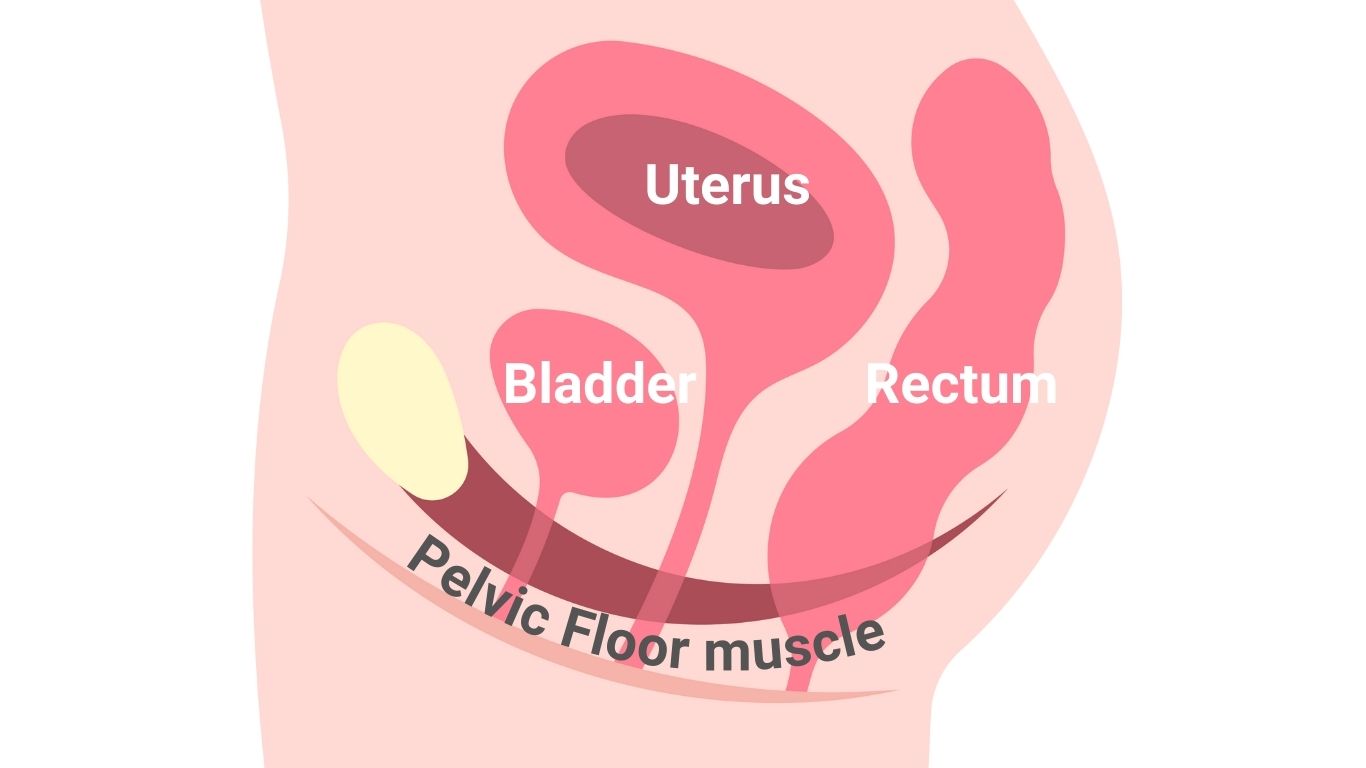
Pelvic Floor Muscle

Exercising and The Pelvic Floor muscle

There are specific exercises that can help improve your pelvic floor. Exercises, such as kegels, pelvic tilts, and squats, are designed to strengthen the muscles that support the bladder, bowel, and reproductive organs.

In the webinar, Alex talked us through some great kegel exercises to contract your pelvic floor. “We do not want glutes kicking in, no holding breaths. No one should know you’re doing it. Imagine you’re holding back wind. Then add in picking up a tissue with your vagina. Or sucking up a thick shake!” (I’m doing it while typing).

Sitting or standing is more effective than lying down.

Below are some exercises you can do.
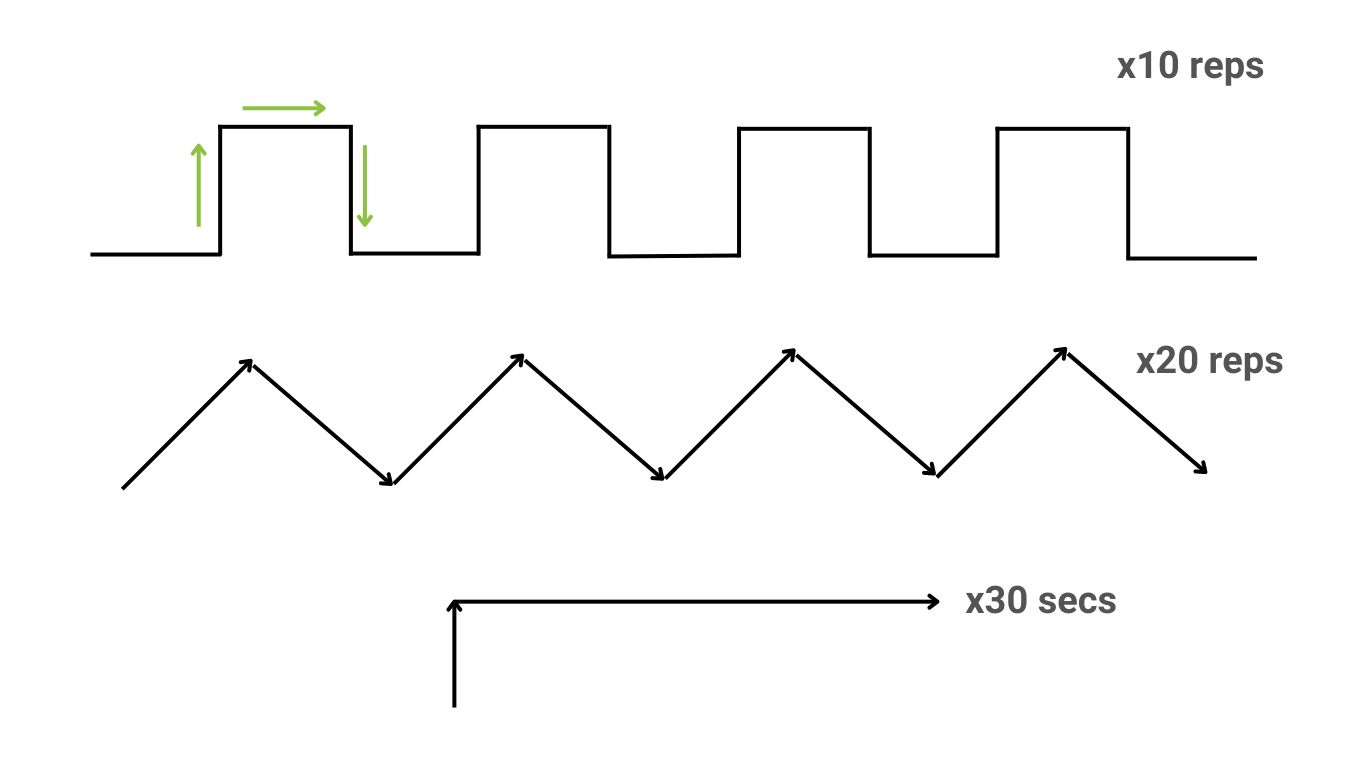
 

Exercises for the pelvic floor

Regular practice of these exercises can be beneficial for both men and women, particularly during pregnancy, after childbirth, or following surgery, and they contribute to overall pelvic health.

Perimenopause, Menopause & Your Pelvic Floor

Perimenopause and menopause can significantly impact pelvic health due to hormonal changes, particularly the decline in estrogen levels.

Your ovaries stop producing estrogen and these hormonal changes affect the pelvic floor muscles, tissues, and organs, often leading to a weakening of these structures.

As a result, women may experience incontinence, pelvic organ prolapse, and vaginal dryness. Not to mention other unpleasant symptoms that can make life a bit tough. It can even be debilitating. A loss of estrogen can significantly impact your body.

Maintaining pelvic health during this stage is important and can be supported through pelvic floor exercises, hormone therapy, and regular check-ups. So factor in your age, while assessing if you might need a pelvic physio.

Mythbusting

It’s normal to leak after having a baby. 1 in 3 post natal women leak, but it’s not normal

If you poo once a day, you’re not constipated. Constipation is not related to frequency

You can’t power lift with a prolapse. Yes, you can, but get it checked!

You can’t do ab crunches with an abdominal separation. Yes, you can!

You can’t do crunches with a prolapse. Says who?!

A few Kegels at the traffic lights is enough. It definitely isn’t!

Working your core will work your pelvic floor. Nope, nope, nope. 

What weight limit Should I work with if I have a weak Pelvic floor?

According to Alex, we don’t know. There is no research or evidence on specific weight limits when it comes to lifting and the pelvic floor. Seek personalised advice from a pelvic floor physio who can work with you to advise you and your personal trainer on any required movement or lifting modifications.

Alex’s seminar (below) has a fantastic breakdown of lifting while distributing your weight evenly.
Pelvic assessment

pelvic health in melbourne

Alex, alongside a team of specialist pelvic floor physios, lead by Liana Johnson (founder and director with over 30 years experience), work at Pelvic Strength Physio in Croydon. They offer pelvic floor physio, sports physio, continence nurse, lactation consultants, and more.

You can find them here.

And, you can watch our webinar below. If you’re interested in joining our gym, and becoming a part of our wellness community in Ringwood, you can sign up for a 7-day trial here

Working out in Winter: How to Stay Motivated

Working out in Winter: How to Stay Motivated

Our gym is indoors, so our clients don’t have to worry about it being dark outside or the temperatures affecting their workouts, but we have been asked some great winter-related questions in the past, so we thought we’d answer a few of our favourites. We asked our experienced coaches some questions about training in winter.

Let’s dive in…

Is It Good For You To LifT Weights in the Cold?

The most practical way the cold can affect your workout is if you haven’t dressed appropriately. You still need to train safely, and if you’re wearing shorts and a vest and it’s 5 degrees out, then your body will be less efficient. When you’re very cold, your body moves your blood away from your extremities towards your core to protect your organs. This can make your muscles and joints stiffer.

So, warm-ups and dressing appropriately can significantly impact the performance of your workout and keep you safe.

Do You Burn More Fat in the Cold?

Not really. If you do, it’s a tiny amount. Your body must work harder to regulate your body temperature, but that’s it. 

And, if you’re not working hard because you’re too cold (like the last question), you’re negating any potential benefit anyway. Fat loss and muscle building are more effective with consistency and hard work.


Is It Good To Exercise In Winter?

Yes! And this is where we want to delve into some detail because working out in winter is an essential part of your schedule. 

The nights are longer, the days shorter. You leave your house, and you can see your breath, and some days, getting up and going can feel like a bit more of a slog. We understand that, and we are not immune from winter sluggishness either. But maintaining that motivation and pushing through the winter is essential to progressing towards your goals faster.  Our bodies need movement all year round!

Can I take a Break from Exercise in Winter?

Technically, yes. But we strongly advise against it. If you have goals for your health, physique, and abilities by the summer, then the winter period is part of that process.

woman sleeping

Don’t Forget the short-term benefits of exercise

After just 1 workout, we tend to see improvements in sleep quality and a reduction in anxiety and depression.

So, even just one gym class, one run, one cardio activity, one weight training session, can help boost your mood and potentially improve your mental health. Meaning, exercise can assist in pulling us out of the winter doldrums.

But it’s Dark in the Mornings, I Don’t want to Exercise in the Dark

We hear you–that sounds bleak. The best option, if you can’t exercise later in the day due to work or family commitments, is to find an indoor gym that offers training sessions to suit your schedule.

At our womens gym in Ringwood, we run classes at a variety of times, including some starting at 5:30 am, as well as 5.30 pm and 6.30 pm evening options to work around our busy clients. Saturday classes are also available. You can checkout our timetable here.

early morning training

What Happens if I Don’t Exercise in Winter?

It’s not a pleasant list, but here’s what can happen:

  • A downturn in the progress you’ve made or inhibiting growth. Your cardiovascular fitness and muscle strength will decrease, your endurance will decline, and exhaustion and fatigue during periods of future exercise will increase. Basically, everything will get harder again, and you’ll get slower.
  • Weight gain. Dum dum duuuuuum. We tend to eat more comfort food in winter–who says no to a big roast dinner?  Plus, without the regular stimulus of exercise, your muscles will begin to atrophy, reducing your metabolic capacity and making storing excess energy as body fat easier.  By continuing to challenge your muscles with resistance exercises, you can offset this muscle atrophy and keep your body feeling strong and energetic in the lead-up to spring.
  • Without the regular stimulus of exercise, your muscles will begin to atrophy, reducing your metabolic capacity and making storing excess energy as body fat easier.  By continuing to challenge your muscles with resistance exercises, you can offset this muscle atrophy and keep your body feeling strong and energetic in the lead-up to spring.
  • Stiffness and discomfort can increase. Regular exercise helps keep joints limber; without it, you might notice an increase in stiff joints and achiness, particularly in cold months.
  • A weaker immune system – because regular exercise boosts your immunity by enhancing circulation, promoting better sleep, and supporting the immune system’s ability to detect and fight infections.
  • Decline in mental health. Stopping exercise can negatively impact mental health by increasing stress levels, reducing mood-boosting endorphins, and potentially leading to feelings of anxiety and depression.
early class

How We Adapt Our Programs For Winter

We encourage our members to push through the winter. Many of our clients have goals, including weight loss and feeling confident in the summer months. Any breaks or setbacks during the winter will impact summer-related goals. So, there’s no slowing down just because it’s cold and dark.

For our 12-week Body Transformation challenge, our participants follow a nutrition and exercise program to achieve their desired goals. To provide extra motivation and accountability during the colder months, we extend the program to 24 weeks, giving our members a project to focus on. This helps ensure they stay committed, get out of bed, make nourishing meals and make it to the gym, so they can step into the warmer months feeling vibrant and ready to rock! You can learn more about our 12 or 24 week Challenge here:

Our Top Ten Tips for Making Working Out Easier in Winter

  1. Non-negotiable: schedule your workouts into your diary every sunday and keep your appointments with yourself like you would your hairdresser!
  2. Habit stack: pair your exercise routine with a habit you already do, like scheduling your gym class right after school drop off or your morning coffee.
  3. Make it fun: Join a community-based facility where you can have a laugh while you exercise.
  4. Power of a playlist: create a playlist of motivational speeches or songs that get you fired up
  5. Coffee on the go: swap out your coffee shop catch-ups for walk-and-talk sessions 
  6. Wear Proper Gear: Invest in warm, moisture-wicking clothing to stay warm and comfortable.
  7. Train Indoors: Utilise indoor facilities like gyms or home workout spaces to avoid the cold.
  8. Set a Reward System: Treat yourself to small rewards for meeting your exercise goals.
  9. Mix It Up: Try different types of exercises to keep things interesting and avoid monotony.
  10. Set Specific Goals: Define clear, achievable goals to stay motivated and track your progress. Consider joining a 12-week challenge to keep you inspired and accountable.
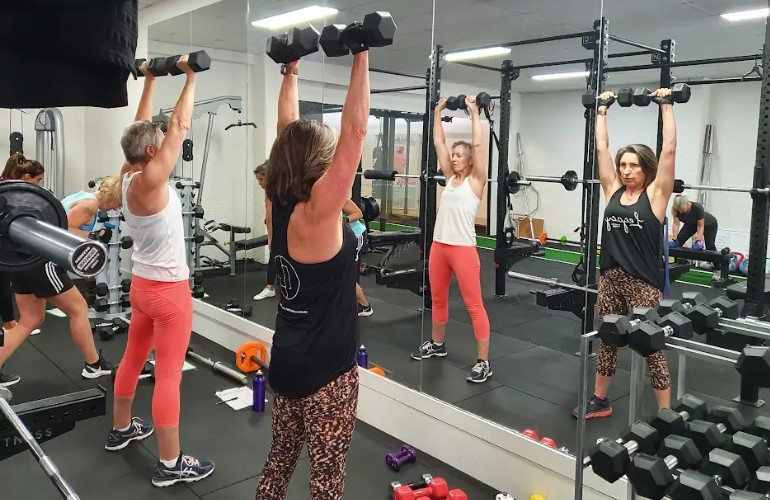
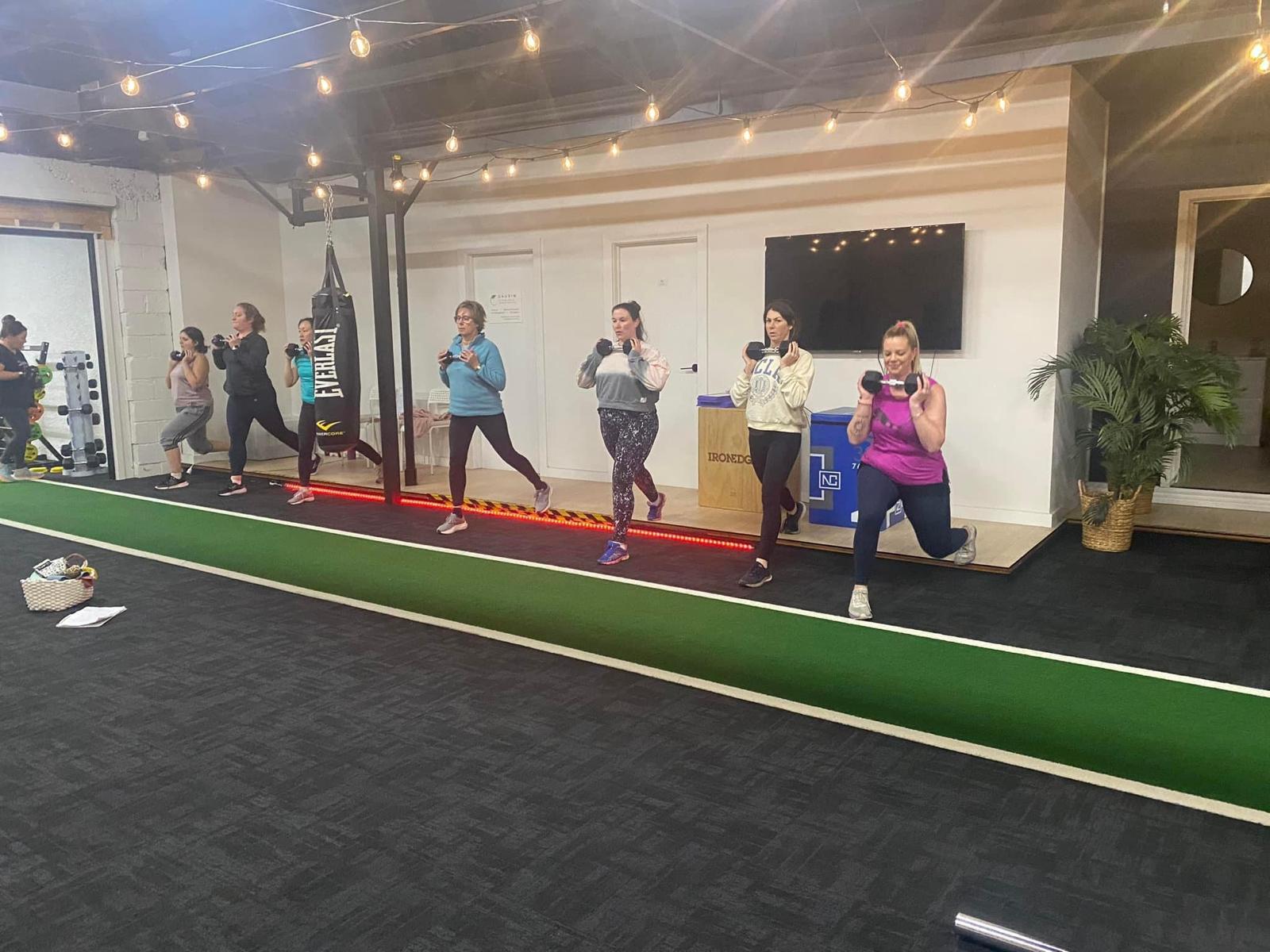
women working out in a Ringwood gym during winter
If you need some help staying motivated and on track with your winter workouts, our experienced trainers can help. Get in touch to discuss a program that might work for you. And book your 7-day FREE trial here.
Overcoming Fitness Intimidation: Tips for Women Starting Their Fitness Journey

Overcoming Fitness Intimidation: Tips for Women Starting Their Fitness Journey

In our gym, we see women with confidence levels across the spectrum. Some start, raring to go: MyFitnessPal-ready, gimme the recipes, let’s transform this body. Great. Those clients can be great fun, and we see results quickly.

But that doesn’t mean we don’t appreciate our clients down the other end of the spectrum: those who are a little unsure or intimidated. We love you all and are here to help, whatever your confidence level.

We specialise in women’s fitness and deeply understand the mental and physical hurdles that might prevent you from getting back or getting in the gym. And we’re here to guide you through.

Here are our 5 top tips for women (like you) to start their fitness journey and overcome some of that initial gym intimidation.

These tips are from our excellent PTs and they know their stuff. Let’s dive in.

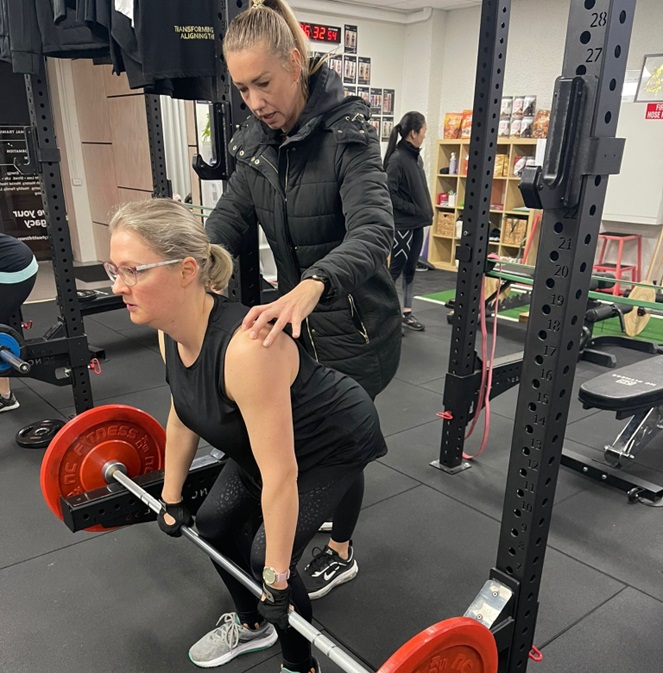
Helping a gym member lift

1. Acknowledge and accept your self-doubt

We aren’t here to fire platitudes at you:

“Our doubts are traitors…”

Granted, Shakespeare had a way with words, and he’s not wrong. But that doesn’t mean we should belittle or downplay the very real anxieties that you’re facing. We all get nervous, and many of us feel intimidated when trying something new. You’re pushing your boundaries, and feeling apprehensive is perfectly acceptable. 

At Legacy, we acknowledge that and are here to talk you through it.

Whilst initial intimidation and trepidation to walk into a new gym and change your life is a big step, it’s not insurmountable. And certainly not one that you have to do alone. We will work closely with you to personalise your programming and ensure we set you up for success.

2. Reframe Negative Self-talk

Overheard in our gym:
“Oh, I can’t do that.”
“I’ll never be able to lift that. I’m so weak.”
“Look at that other member. I will never be as fit as that.”

Negative self-talk like this will only slow you down. We might allow you a little wobble if we’re feeling generous, but everyone starts somewhere. And, right now–where you are–there’s no better time to start.

Those doubts you’re listening to are intrusive thoughts doing their best to pull you down.
What we recommend is embracing your uniqueness–your own journey. Do things your way and enjoy the adventure. Our PTs will help you build a custom journey to suit you. We won’t push you too hard, or too quickly, so your body can adjust and you can enjoy exercising again.

Acknowledge those intrusive thoughts for what they are–intrusive. Tell them to f**k off.

You got this.

3. Set Small Achievable Goals

Starting at a gym (especially if you’re new) can be overwhelming. We understand that. Our PTs will always welcome new members, walk them through the gym, and run through each exercise, offering advice and support to ensure they can take it in. Not all gyms come with a PT, so that might be a little trickier, but the overall advice remains the same: set yourself small, achievable goals.

It’s the small victories that pave the path to lasting success.

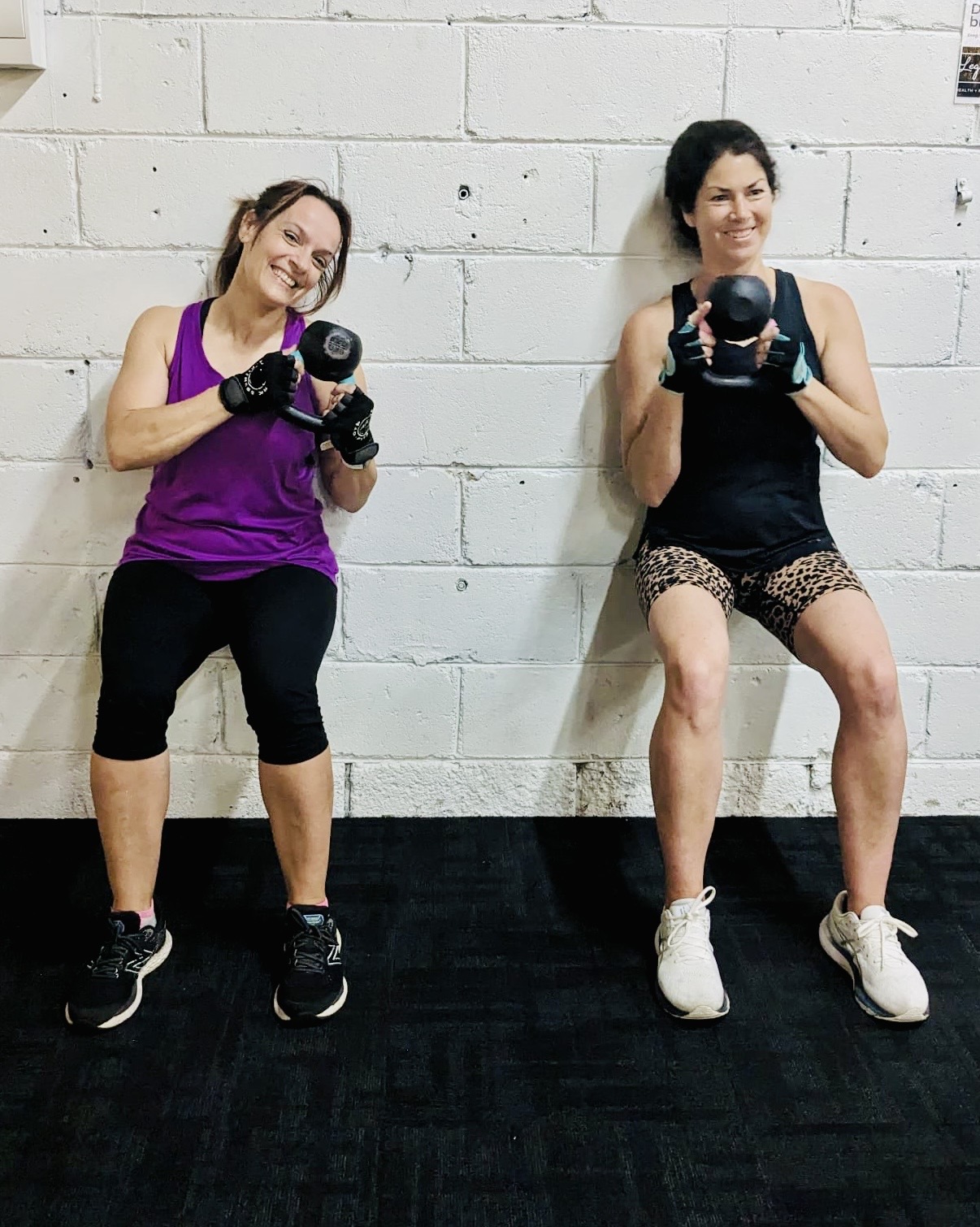
Our wall sit exercise from our lift class is a great example and one that gets our members talking. Plenty of our members have started from as little as twenty seconds, and at the moment, the PB is 9 minutes! Keeping track every week let’s each member see and acknowledge their individual progress. It keeps them motivated and excited for each week to see how they’ve done.

Members doing a wall sit

By breaking down your aspirations into manageable milestones, you not only boost your confidence but also cultivate a mindset of consistency and resilience. Remember, Rome wasn’t built in a day, and every small step forward is a victory worth celebrating on your journey towards a healthier, happier you.

4. Surround yourself with a positive community

“We are not put on this earth for ourselves, but are placed here for each other…”

This quote is 👌

None of our members are on their own. Not only are our PTs there with them on their fitness journey, but our other members are part of it too! We support and raise each other up, as that benefits us all and keeps those nay-saying intrusive thoughts down. Plus, it’s much more fun.
Find yourself a gym with supportive members. And, if you can’t join a gym, or aren’t quite there yet, surround yourself with supportive family and friends who can celebrate your milestones along the way.

gym members cheering

5. Don’t be afraid to ask for help

If you’ve followed our other tips, you should find yourself in a comforting gym with supportive PTs, aiming to hit small, achievable goals and ignoring self-doubt and negative self-talk.

You are nailing it, but sometimes things go wrong, and you still need some help.

This is never more prevalent for our members than when we’re running a Body Transformation program. A couple of months in often see participants hit a plateau, and this can lead to a lack of motivation if it’s not addressed. We encourage our participants (and our gym members) to ask for help.

Our PTs specialise in training women, alongside expertise in nutrition coaching and support. Ask, and we can help.

You’re not in this alone.


If you’re interested in starting your fitness journey our PTs are ready to help. We are a women-owned gym based in Ringwood, Victoria and we live to help our members feel great about their fitness journey, whatever that looks like. Get in touch to see what might work for you.

Supportive gym members

In our gym, we see women with confidence levels across the spectrum. Some start, raring to go: MyFitnessPal-ready, gimme the recipes, let’s transform this body 508. Great. Those clients can be great fun, and we see results quickly.

But that doesn’t mean we don’t appreciate our clients down the other end of the spectrum: those who are a little unsure or intimidated. We love you all and are here to help, whatever your confidence level.

We specialise in women’s fitness 508 and deeply understand the mental and physical hurdles that might prevent you from getting back or getting in the gym. And we’re here to guide you through.

Do You Have an Emotional Need to Eat?

Do You Have an Emotional Need to Eat?

Is your mouth lonely? ? Are you eating only to please your taste buds or satisfy an emotional void?

“Kuchisabishii“ is a Japanese term which directly translates to ‘lonely mouth. The term is used to describe an emotional need to eat even when you’re not hungry.

And while eating should be fun, enjoyable and cherished, eating to satisfy only our taste buds often directly conflicts with our value for health.

From a purely evolutionary perspective the main purpose of food is to provide the micronutrients our body needs to fight disease and regenerate our cells so we can live and age well.

If you’re looking to lose some body fat and tone up…

? TRANSFORMATION TIP! Remind yourself that your taste buds are just the teeny tiniest part of your digestion!!

That eating only to satisfy your taste buds means potentially missing out on the opportunity to nourish your body with the micronutrients it needs to THRIVE, FEEL GREAT AND BUILD A STRONG HEALTHY BODY.

? WHAT YOU CAN DO? One way to help motivate your behavior away from eating only for pleasure is to begin to pay close attention to how your body feels once the party in your mouth is over…

How does your tummy feel?

What about your mental clarity?

Ability to focus?

Notice any energy slumps or a feeling of agitation?

Use any negative experiences as reinforcement to help prevent you from eating junk food next time.

Science proves that WE CRAVE WHAT WE EAT – so the more junk you eat – the more you crave.

That’s because your microbiome is literally made from the pre biopics in the foods you eat. Over time, the less you rely on junk food for pleasure and the more you learn to enjoy the munch and crunch of whole foods the more your microbiome will adapt, change and crave more of the good stuff!!

? Eat better – feel better – live better.

? If you would like to learn how to make healthy food taste great be sure to enquire now about our next Transformation Challenge starting in April!


Enquire about our Upcoming 12-week Transformation Challenge

X